Buy mp4d.com ?
We are moving the project
mp4d.com .
Are you interested in purchasing the domain
mp4d.com ?
domain@kv-gmbh.de · 0541-91531010
Buy mp4d.com ?
Can induction voltage destroy electronics?
Yes, induction voltage can potentially destroy electronics. When a sudden increase in voltage occurs, it can cause a surge of electrical current to flow through the electronic components, damaging them. This can happen, for example, during a lightning strike or when a nearby electrical device experiences a sudden power surge. To protect electronics from induction voltage, surge protectors and voltage regulators can be used to limit the voltage and prevent damage. **
Up to which voltage is an electronics technician allowed to work on devices and systems?
An electronics technician is typically allowed to work on devices and systems up to a voltage of 600 volts. This includes troubleshooting, repairing, and maintaining various electronic equipment and systems within this voltage range. Working on devices and systems with higher voltages usually requires specialized training and certification due to the increased risk of electrical hazards. It is important for electronics technicians to adhere to safety protocols and regulations when working with any voltage to ensure their own safety and the safety of others. **

Similar search terms for Voltage
Top-Angebote
Products related to Voltage:
-
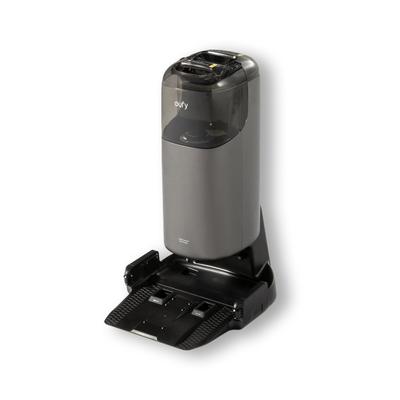
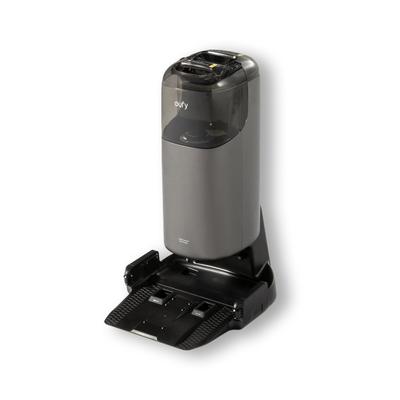
S1 Pro Station (Low Voltage)S1 Pro Station 1000W (Low Votage) Product Description This listing features the S1 Pro 1000W base station, identifiable by its distinct hexagonal filter design at the bottom (as shown in product images). With enhanced suction power and optimized...405,00 $*Shipping: 0,00 $Secure redirect to the provider
-
AUTOMEGA 150014810 Alternator voltage regulatorVoltage [V]: 14,7; Manufacturer Restriction: BOSCH; for OE number: 90349907, 1204259; TecDoc Engine Number: 4812, 4759, 4791, 4793, 4810, 4755, 4782, 4785, 4799, 4780, 4735, 4749, 16169; Vehicle Identification Number (VIN) to: S2500015, P4999999, R8999999, R5999999, R4999999, S6000012, R39999995,99 £*Shipping: 8,45 £Secure redirect to the provider
-
TOPRAN 100 134 Alternator voltage regulatorRated Voltage [V]: 14,5; old version: ; Manufacturer Restriction: Bosch; Alternator Charging Current [A]: 70, 120, 100, 150; Vehicle Equipment: for vehicles with power steering; Vehicle Identification Number (VIN) from: P1000001, P5000001, P7500001, 4A-P-160001, 4A-N-060001, 31-N-160001, 31-P-200001, 70-S-071872, P9000001, P2500001, P3000001, P4000001, P8000001, S4000001, 70-P-060001, 1L-ZD304851, S3000001, S6000001; TecDoc Engine Number: 4813, 4963, 4975, 6554, 5080, 4288, 4846, 2864, 2863, 4841, 2852, 2866, 3574, 48166, 4269, 15335, 13950, 13949, 13929, 4199, 5046, 4984, 4988, 13932, 13931, 13930, 9516, 4197, 17623, 17637, 6587, 2880, 14729, 5396, 5536, 14731, 16257, 16256, 5558, 16259, 15808, 5560, 4978, 8507, 17593, 11497, 5557, 21179, 33011, 16385, 15486, 9456, 14730, 17581, 17584, 15128, 21039, 12808, 10727, 16193, 17573, 12829, 2834; not for alternator charging current [A]: 120, 150; Construction Year from: 08/1992, 10/1993; Construction Year to: 07/1992, 12/1998, 04/1998; Vehicle Identification Number (VIN) to: 3A-S-110000, 70-X-075000, Y1999999, 7M-X-055000, 17066218, W5999999, 11137968, 70-1-200000, 8L-W-095000, 7M-X-517024, 3B-X-150000, 4A-S-020156, 4B-W-220000, 6H-X-140000, 1U-W-113660, 2D-X-009000, 6H-X-046000, 1C-W-024255, Y2999999, Y5999999, Y6999999, Y8999999, YH999999; Alternator Number: 0 120 335 007, 0 120 335 012; Vehicle type: TU3MC / KDX; not for country specific design: South Africa; Alternator Charging Current from [A]: 55; Alternator Charging Current to [A]: 707,29 £*Shipping: 8,45 £Secure redirect to the provider


-
What is a real voltage source in electronics?
A real voltage source in electronics is a device that provides a constant voltage output regardless of the load connected to it. It is able to maintain a stable voltage level even when there are changes in the current drawn from it. Real voltage sources are essential components in electronic circuits as they provide the necessary power for the operation of various electronic devices. Examples of real voltage sources include batteries, power supplies, and voltage regulators. **
-
What is the open-circuit voltage in electronics?
The open-circuit voltage in electronics refers to the voltage across the terminals of a device when there is no load connected. It is the maximum voltage that the device can produce when there is no current flowing through it. This voltage is important in determining the performance and characteristics of electronic devices, such as batteries, solar cells, and sensors. The open-circuit voltage is a key parameter in understanding the behavior and capabilities of electronic components. **
-
What is the amplitude of the alternating voltage in electronics?
The amplitude of an alternating voltage in electronics refers to the maximum value that the voltage reaches during one complete cycle. It is the peak value of the voltage waveform and is typically measured in volts. Understanding the amplitude of an alternating voltage is important in designing and analyzing electronic circuits as it determines the maximum potential difference that the circuit components will experience. **
-
Is a mechatronics technician allowed to work with higher voltage or an electronics technician for energy and building technology?
A mechatronics technician is typically trained to work with a variety of systems that involve mechanical, electrical, and computer engineering components. This may include working with higher voltage systems as part of their job responsibilities. On the other hand, an electronics technician for energy and building technology may have a more specialized focus on electrical systems within the context of energy and building technology, and may not have the same level of training or experience with higher voltage systems. Ultimately, the specific responsibilities and permissions for working with higher voltage would depend on the individual's training, qualifications, and the requirements of their employer or regulatory authorities. **


Do devices also work with less voltage and milliampere?
Yes, devices can often work with less voltage and milliampere, but it depends on the specific device and its power requirements. Some devices are designed to be more versatile and can operate within a range of voltage and milliampere ratings. However, it's important to note that using lower voltage or milliampere than recommended may affect the performance and longevity of the device. It's always best to consult the device's specifications or the manufacturer's guidelines to ensure safe and proper operation. **
What is the connection between system and high-voltage technology?
High-voltage technology is a critical component of many systems, including power transmission and distribution systems, electrical grids, and industrial machinery. High-voltage technology is used to efficiently transmit and distribute electricity over long distances, and to power heavy-duty equipment and machinery. Therefore, the connection between system and high-voltage technology lies in the fact that high-voltage technology is essential for the proper functioning and operation of various systems that rely on electricity for power. Without high-voltage technology, these systems would not be able to operate effectively or efficiently. **
Top-Angebote
Products related to Voltage:
-
Omni Station (Low Voltage)eufy Omni Station (Low Votage) Authentic part manufactured by eufy. Compatible with X10 Pro Omni. Note: Power cord and dust bag are not included, You can purchase it through those links: Power cord: https://www.eufy.com/products/t2276111-91 Dust...251,25 $*Shipping: 0,00 $Secure redirect to the provider
-
S1 Pro Station (Low Voltage)S1 Pro Station 1000W (Low Votage) Product Description This listing features the S1 Pro 1000W base station, identifiable by its distinct hexagonal filter design at the bottom (as shown in product images). With enhanced suction power and optimized...405,00 $*Shipping: 0,00 $Secure redirect to the provider
-
Can induction voltage destroy electronics?
Yes, induction voltage can potentially destroy electronics. When a sudden increase in voltage occurs, it can cause a surge of electrical current to flow through the electronic components, damaging them. This can happen, for example, during a lightning strike or when a nearby electrical device experiences a sudden power surge. To protect electronics from induction voltage, surge protectors and voltage regulators can be used to limit the voltage and prevent damage. **
-
Up to which voltage is an electronics technician allowed to work on devices and systems?
An electronics technician is typically allowed to work on devices and systems up to a voltage of 600 volts. This includes troubleshooting, repairing, and maintaining various electronic equipment and systems within this voltage range. Working on devices and systems with higher voltages usually requires specialized training and certification due to the increased risk of electrical hazards. It is important for electronics technicians to adhere to safety protocols and regulations when working with any voltage to ensure their own safety and the safety of others. **
-
What is a real voltage source in electronics?
A real voltage source in electronics is a device that provides a constant voltage output regardless of the load connected to it. It is able to maintain a stable voltage level even when there are changes in the current drawn from it. Real voltage sources are essential components in electronic circuits as they provide the necessary power for the operation of various electronic devices. Examples of real voltage sources include batteries, power supplies, and voltage regulators. **
-
What is the open-circuit voltage in electronics?
The open-circuit voltage in electronics refers to the voltage across the terminals of a device when there is no load connected. It is the maximum voltage that the device can produce when there is no current flowing through it. This voltage is important in determining the performance and characteristics of electronic devices, such as batteries, solar cells, and sensors. The open-circuit voltage is a key parameter in understanding the behavior and capabilities of electronic components. **
Similar search terms for Voltage
-
AUTOMEGA 150014810 Alternator voltage regulatorVoltage [V]: 14,7; Manufacturer Restriction: BOSCH; for OE number: 90349907, 1204259; TecDoc Engine Number: 4812, 4759, 4791, 4793, 4810, 4755, 4782, 4785, 4799, 4780, 4735, 4749, 16169; Vehicle Identification Number (VIN) to: S2500015, P4999999, R8999999, R5999999, R4999999, S6000012, R39999995,99 £*Shipping: 8,45 £Secure redirect to the provider
-
TOPRAN 100 134 Alternator voltage regulatorRated Voltage [V]: 14,5; old version: ; Manufacturer Restriction: Bosch; Alternator Charging Current [A]: 70, 120, 100, 150; Vehicle Equipment: for vehicles with power steering; Vehicle Identification Number (VIN) from: P1000001, P5000001, P7500001, 4A-P-160001, 4A-N-060001, 31-N-160001, 31-P-200001, 70-S-071872, P9000001, P2500001, P3000001, P4000001, P8000001, S4000001, 70-P-060001, 1L-ZD304851, S3000001, S6000001; TecDoc Engine Number: 4813, 4963, 4975, 6554, 5080, 4288, 4846, 2864, 2863, 4841, 2852, 2866, 3574, 48166, 4269, 15335, 13950, 13949, 13929, 4199, 5046, 4984, 4988, 13932, 13931, 13930, 9516, 4197, 17623, 17637, 6587, 2880, 14729, 5396, 5536, 14731, 16257, 16256, 5558, 16259, 15808, 5560, 4978, 8507, 17593, 11497, 5557, 21179, 33011, 16385, 15486, 9456, 14730, 17581, 17584, 15128, 21039, 12808, 10727, 16193, 17573, 12829, 2834; not for alternator charging current [A]: 120, 150; Construction Year from: 08/1992, 10/1993; Construction Year to: 07/1992, 12/1998, 04/1998; Vehicle Identification Number (VIN) to: 3A-S-110000, 70-X-075000, Y1999999, 7M-X-055000, 17066218, W5999999, 11137968, 70-1-200000, 8L-W-095000, 7M-X-517024, 3B-X-150000, 4A-S-020156, 4B-W-220000, 6H-X-140000, 1U-W-113660, 2D-X-009000, 6H-X-046000, 1C-W-024255, Y2999999, Y5999999, Y6999999, Y8999999, YH999999; Alternator Number: 0 120 335 007, 0 120 335 012; Vehicle type: TU3MC / KDX; not for country specific design: South Africa; Alternator Charging Current from [A]: 55; Alternator Charging Current to [A]: 707,29 £*Shipping: 8,45 £Secure redirect to the provider
-
TOPRAN 100 343 Alternator voltage regulatorManufacturer Restriction: Bosch; Rated Voltage [V]: 14,6; new version: ; Vehicle Identification Number (VIN) from: 4A-P-160001, 4A-N-060001, 31-N-160001, 31-P-200001, 70-S-071872, 70-P-060001, 1L-ZD304851; Alternator Charging Current [A]: 120, 150; not for alternator charging current [A]: 120, 150; Construction Year from: 08/1992, 10/1993; TecDoc Engine Number: 4963, 4975, 3574, 15335, 13950, 13949, 13929, 4199, 4984, 4988, 13932, 13931, 13930, 4197, 9516, 5536, 16257, 16256, 5558, 16259, 15808, 5560, 4978, 11497, 5557, 16385, 15486, 9456, 15128; Construction Year to: 07/1992, 12/1998, 04/1998; Vehicle Identification Number (VIN) to: 3A-S-110000, 70-X-075000, 7M-X-055000, 8L-W-095000, 7M-X-517024, 3B-X-150000, 4A-S-020156, 4B-W-220000, 6H-X-140000, 1U-W-113660, 70-1-200000, 2D-X-009000, 6H-X-046000, 1C-W-0242557,29 £*Shipping: 8,45 £Secure redirect to the provider
-
What is the amplitude of the alternating voltage in electronics?
The amplitude of an alternating voltage in electronics refers to the maximum value that the voltage reaches during one complete cycle. It is the peak value of the voltage waveform and is typically measured in volts. Understanding the amplitude of an alternating voltage is important in designing and analyzing electronic circuits as it determines the maximum potential difference that the circuit components will experience. **
-
Is a mechatronics technician allowed to work with higher voltage or an electronics technician for energy and building technology?
A mechatronics technician is typically trained to work with a variety of systems that involve mechanical, electrical, and computer engineering components. This may include working with higher voltage systems as part of their job responsibilities. On the other hand, an electronics technician for energy and building technology may have a more specialized focus on electrical systems within the context of energy and building technology, and may not have the same level of training or experience with higher voltage systems. Ultimately, the specific responsibilities and permissions for working with higher voltage would depend on the individual's training, qualifications, and the requirements of their employer or regulatory authorities. **
-
Do devices also work with less voltage and milliampere?
Yes, devices can often work with less voltage and milliampere, but it depends on the specific device and its power requirements. Some devices are designed to be more versatile and can operate within a range of voltage and milliampere ratings. However, it's important to note that using lower voltage or milliampere than recommended may affect the performance and longevity of the device. It's always best to consult the device's specifications or the manufacturer's guidelines to ensure safe and proper operation. **
-
What is the connection between system and high-voltage technology?
High-voltage technology is a critical component of many systems, including power transmission and distribution systems, electrical grids, and industrial machinery. High-voltage technology is used to efficiently transmit and distribute electricity over long distances, and to power heavy-duty equipment and machinery. Therefore, the connection between system and high-voltage technology lies in the fact that high-voltage technology is essential for the proper functioning and operation of various systems that rely on electricity for power. Without high-voltage technology, these systems would not be able to operate effectively or efficiently. **
* All prices are inclusive of VAT and, if applicable, plus shipping costs. The offer information is based on the details provided by the respective shop and is updated through automated processes. Real-time updates do not occur, so deviations can occur in individual cases. ** Note: Parts of this content were created by AI.